Factors to Consider When Choosing Manual Hoist Chain
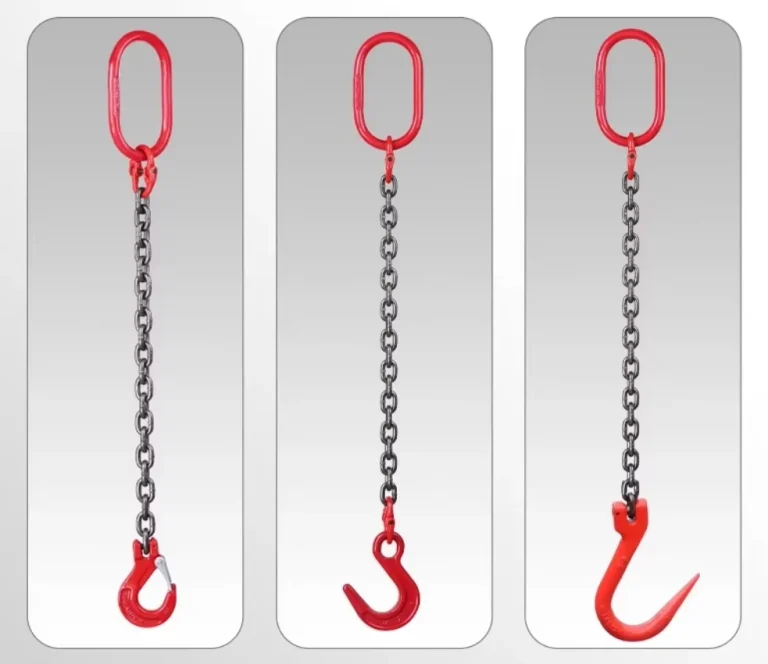
Selecting the appropriate manual hoist chain is vital for compatibility with your manual lever chain hoist. Chain size, grade, and length must match the hoist’s specifications. Using an incorrect chain can lead to binding or overloading.
Chain Size and Pitch
The pitch and diameter of manual hoist chain links are designed to fit the sprocket or pocket wheel inside the manual lever chain hoist. Always refer to the hoist’s data plate for the required chain dimensions. Mismatched chains cause uneven wear and potential slippage.
Working Load Limit and Grade
Manual hoist chain is available in grades like 80, 100, or 120, each with a specific working load limit. The manual lever chain hoist capacity should never exceed the chain’s limit. For heavy lifts, a higher-grade chain provides extra safety margin.
Environmental Considerations for Manual Lever Chain Hoist
The operating environment dictates the material and coating of both the manual lever chain hoist and its manual hoist chain. In wet or chemical-laden areas, stainless steel or coated chains resist corrosion. For clean, dry indoor use, standard alloy steel is sufficient.
High-Temperature Applications
When using a manual lever chain hoist near heat sources, ensure the manual hoist chain is rated for elevated temperatures. Some alloy steels lose strength above 400°F (200°C). Special heat-treated chains may be necessary for foundries or forging operations.
Explosive Atmospheres
In locations with flammable gases or dust, non-sparking manual hoist chain and hoist components may be required. Bronze or stainless steel chains reduce spark risk. The manual lever chain hoist should also comply with ATEX or other hazardous location standards.
Matching Hoist Features to Application Needs
Different manual lever chain hoist designs offer features like overload protection or corrosion-resistant finishes. Consider the frequency of use and load weights. A rugged manual hoist chain with a galvanized finish might be best for marine use, while a standard chain works for occasional indoor tasks.
Overload Limiters
Some manual lever chain hoist models include built-in overload devices that prevent lifting beyond rated capacity. These protect the manual hoist chain from excessive stress. If your tasks involve unknown load weights, such a feature adds safety.
Chain Containment and Guides
To prevent the manual hoist chain from tangling, choose a manual lever chain hoist with a chain guide or container. This keeps the chain organized and reduces wear during storage and transport.
Verifying Compliance and Certifications
Always purchase manual hoist chain and manual lever chain hoist from reputable suppliers who provide certificates of conformance. Standards such as ISO 9001 or CE marking indicate adherence to quality and safety protocols. Inspect the chain for stamped grade markings to confirm its specifications.
Need More Information On The Types Of Cranes? Contact MAITOR Today!
If you’re in need of an crane for your project but not sure which type or types of cranes will work best for your needs, we can help!
To learn more about our business and our equipment keep reading the helpful articles on our blog page.
To start a partnership with our team here at MAITOR, call us today toget a quote!